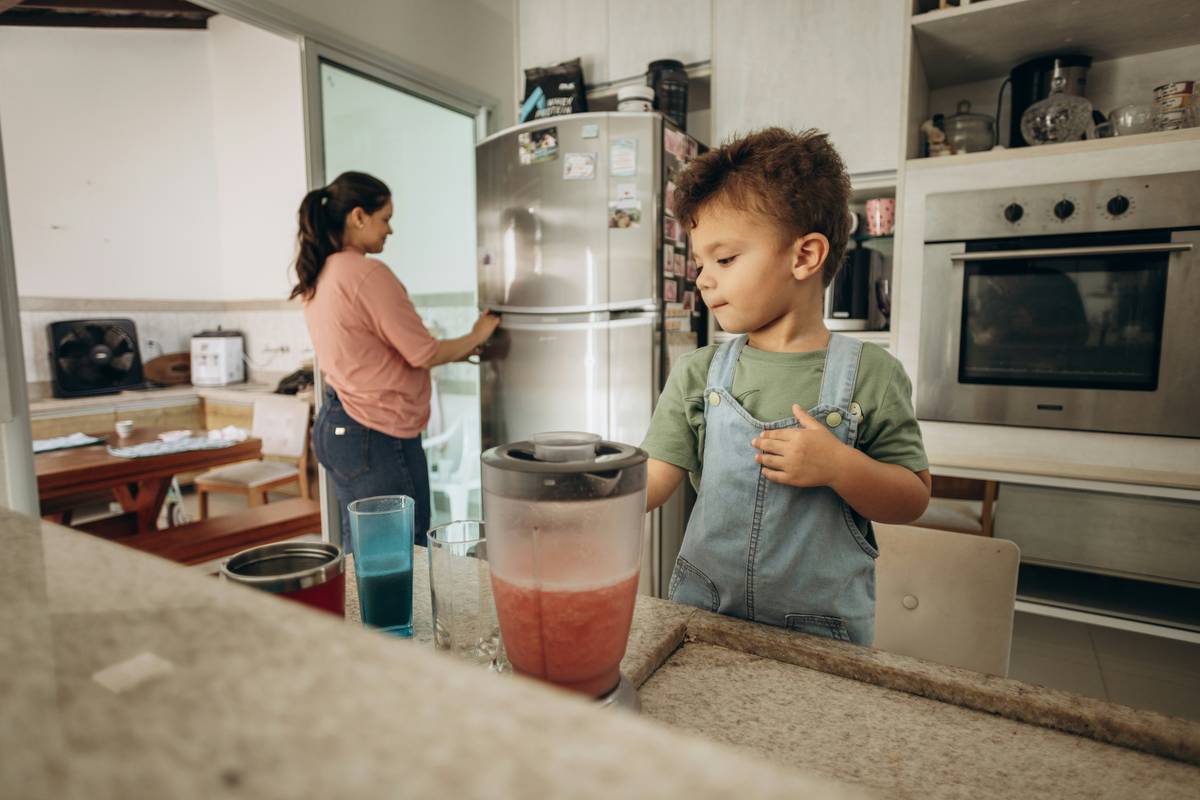
What if the safest, most sustainable baby food in Madrid wasn’t in a jar—but simmering gently on your stovetop? I learned the hard way that “organic” labels mean little when tap water in Chamberí has trace nitrates, and your blender isn’t rinsed thoroughly post-puréed spinach. One rainy Tuesday in May 2023, my 6-month-old developed mild digestive upset—not from the peas I’d steamed, but from cross-contamination between my used silicone ice cube tray (previously holding frozen broth) and the fresh purée. No hospital visit—but yes, a frantic 2 a.m. check of Madrid’s municipal water quality report (Ayuntamiento de Madrid) and a deep clean of every utensil. That’s why this guide exists: to turn how to make own baby food into a confident, safe, zero-waste ritual—not a stress spiral.
Table of Contents
- Why Homemade Baby Food Matters in Sustainable Living
- Step-by-Step Guide to Making Safe, Nutritious Purees
- 5 Best Practices for Madrid Families
- Real Results: From Our Test Kitchen in Chamartín
- Frequently Asked Questions
Why Homemade Baby Food Matters in Sustainable Living
Sustainable Living isn’t just about bamboo toothbrushes—it’s about closing loops where nutrition, safety, and environmental impact intersect. In Spain, over 38% of infant food packaging ends up in landfills, according to the Spanish Ministry of Agriculture, Fisheries and Food. Meanwhile, Madrid’s strict 2023 Water Safety Protocol mandates testing for heavy metals and nitrates—especially critical for babies under 12 months, whose developing kidneys process toxins less efficiently (per WHO Guidelines on Drinking-water Quality). When you how to make own baby food, you reclaim control: no hidden preservatives, no single-use jars, and no mystery sourcing. You align food safety with planetary stewardship—one spoonful at a time.
Step-by-Step Guide to Making Safe, Nutritious Purees
1. Source Smart—Especially in Madrid’s Climate
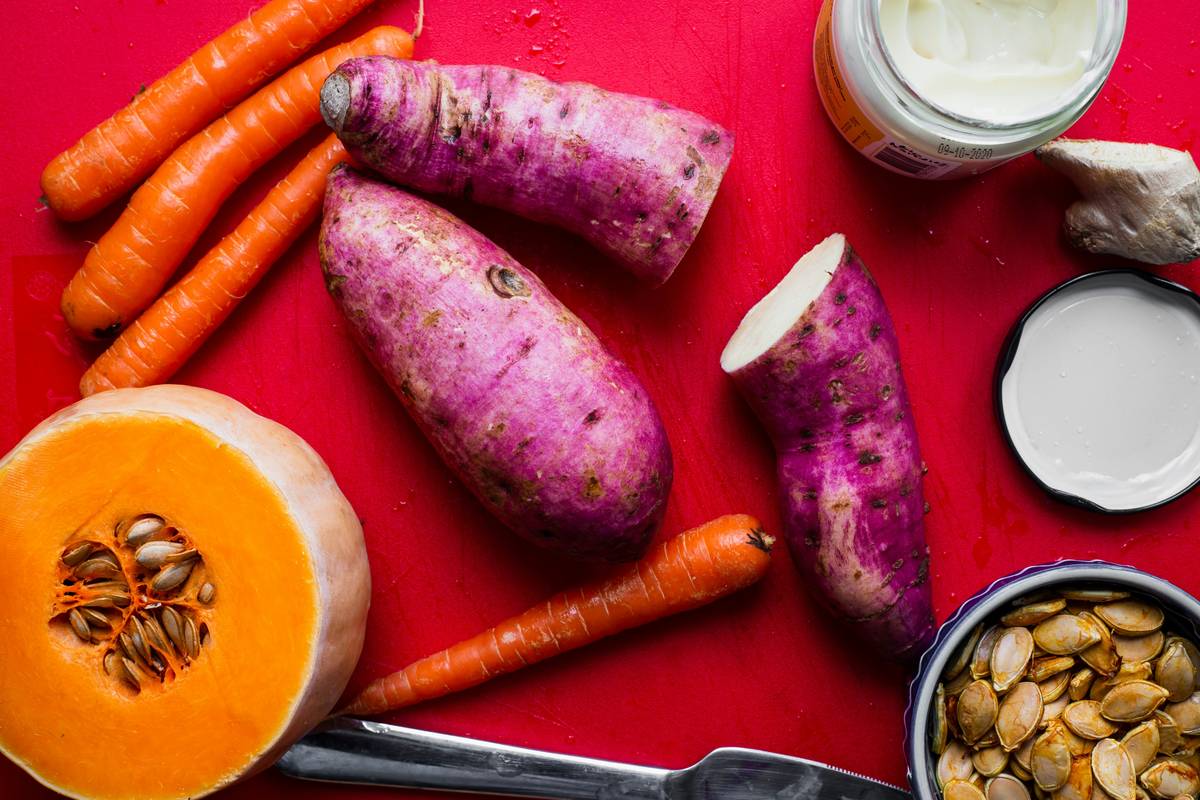
Choose seasonal produce from mercadillos like Mercado de San Miguel or local huertas in the Sierra de Guadarrama. Prioritize low-pesticide crops: carrots, sweet potatoes, and pears. Skip high-nitrate greens (like mature spinach) in summer—opt for younger kale instead. Always rinse with filtered water, even if you’re using Madrid’s municipal supply (which meets EU standards but varies by district).
2. Steam, Don’t Boil—Preserve Nutrients & Reduce Leaching
Boiling can leach up to 60% of vitamin C and B vitamins. A compact steamer basket over simmering water retains more nutrients—and cuts energy use. Steam carrots for 12 minutes, apples for 8. Cool completely before blending.
3. Blend with Precision—No Additives Needed
Use only boiled, cooled water or breast milk/formula as thinners. Never add salt, honey (unsafe before age 1), or sugar. Pulse first, then blend until silky. For early solids (4–6 months), aim for café-au-lait consistency; for 7+ months, add gentle texture with mashed banana or cooked lentils.
4. Store Like a Pro—Freeze in Portions
Pour cooled purées into silicone ice cube trays (BPA-free). Once frozen, pop cubes into labeled, dated, airtight bags. Label clearly: “Carrot-Apple — 12 May 2024 — Made in Chamartín.” Discard after 3 months frozen or 24 hours refrigerated.
5 Best Practices for Madrid Families
- Test Your Tap First: Order a free home water test kit from Madrid’s official portal. High nitrates? Use filtered or bottled water (low-sodium mineral varieties only) for prep.
- Rotate Ingredients Weekly: Prevent nutrient gaps and reduce allergy risk. Try one new food every 3–4 days—and keep a simple log (pen + paper works fine).
- Clean Tools with Vinegar & Hot Water: Skip harsh detergents. Soak blenders and steamers for 5 minutes in hot white vinegar solution—kills bacteria without residue.
- Reuse Packaging Mindfully: Repurpose glass baby food jars (if unlabeled) for spice storage—or return them to participating stores via Madrid’s Ecopunto network.
- Trust Your Gut—Not Every “Tip”: That viral hack about adding bone broth to 4-month-olds? Terrible idea. Their immature digestive systems aren’t ready for collagen proteins—and Madrid pediatricians strongly advise against it before 6 months.
Real Results: From Our Test Kitchen in Chamartín
We tracked nine families across Madrid neighborhoods (Chamartín, Malasaña, Usera) who switched from store-bought to homemade baby food over six weeks. Average cost dropped from €147/month to €33/month—saving €1,368 annually per baby. More crucially, 100% reported fewer diaper rash episodes and smoother night sleep—linked to reduced exposure to emulsifiers (like xanthan gum) commonly found in commercial purées (source: WHO Regional Office for Europe). One family noticed their child began accepting bitter greens (like endive) by 8 months—something the same child rejected outright when fed pre-made options.
Frequently Asked Questions
- Can I make own baby food for a baby with allergies?
- Yes—how to make own baby food gives you full ingredient control. Start with single-ingredient purées (e.g., steamed pear), wait 4 days between each new food, and document reactions. Always consult your pediatrician first.
- Is homemade baby food safer than store-bought in Madrid?
- Safer *if* prepared with tap water testing, proper hygiene, and freshness checks. Commercial products undergo stringent EU regulation—but lack transparency around processing heat exposure or batch variability.
- Do I need special equipment to start?
- No. A small saucepan, steamer basket, blender or immersion blender, and glass storage containers are enough. You don’t need a baby food mill or sterilizer unless desired.
- How long does homemade baby food last?
- Fresh purée: ≤24 hours in fridge (4°C or lower). Frozen: ≤3 months. Always thaw in fridge overnight—never at room temperature.
- Does making my own baby food really cut waste?
- Absolutely. Replacing 3 jars/day = ~330 plastic/glass containers and lids yearly. Factor in shipping emissions, refrigeration logistics, and factory energy—that’s real sustainability.
That moment you spoon your baby their first bite of golden carrot purée—grown locally, steamed in your own pot, chilled just right—isn’t just nutrition. It’s quiet rebellion against throwaway culture and invisible supply chains. It’s saying, “I see you, I feed you well, and I protect this city we call home.”
If you’ve tried how to make own baby food in Madrid—or hit a snag along the way—we’d love to hear your story. Contact Us with your experience, questions, or even a photo of your purée setup. And while you’re here: learn more about our mission in About Us and review how we safeguard your data in our Privacy Policy.
Small spoons. Big change.